[email protected]
Cinemablography
  • Home
  • About
  • Blog
  • Articles by Category
  • Videographic Essays
  • Contributors
  • Journal
    • Existentialism in Film >
      • The Existential Philosophy of Melancholia
      • The Philosophy of Camus in The Dead Don't Die
      • The Existentialist Subtext of Dear Evan Hansen
      • An Existentialist Reading of "The Turin Horse"
    • A Woman's Perspective: Gender, and Identity in the Romanian New Wave
    • Film Theory Issue 1
    • Film Theory Issue 2
    • Science Fiction
    • Science Fiction Issue 2
    • Pan's Labyrinth
    • Kathryn Bigelow >
      • Opening Scene
      • Supermarket Scene
      • Round Table Discussion
  • Our Work
    • Links

FNAF: The Smash Hit Not for the Masses

11/27/2023

 
By Samuel Shaw
Picture
 This Review Contains Spoilers

     Oftentimes, a film is so highly anticipated, and takes so long to be made, that I begin to question if the film is real or just a large grouping of rumors. Five Nights at Freddy’s (2023) was no exception. Watching multiple studios and directors come and go, the release of the film came over eight years after its initial announcement. It was easy to think this production would never be able to get its footing. 
​
     The long wait for the film to be made can be credited to Five Nights at Freddy’s (or FNAF) creator, Scott Cawthon. After creating the original game in 2014, Cawthon gained a massive fan base, and he was dedicated to creating a story that would pay the proper respect to its source material.Scott Cawthon even joined the film crew as a writer and producer.  Jason Blum, another producer of the film and founder of Blumhouse Productions, stated that the film was made “for the fans and really only for the fans”. This made it clear from the beginning that Cawthon’s intention was not to make a critically successful film, but to make a film that would be accepted by the community he created. 

     Then, the seemingly  impossible happened: After settling on a script, a studio, and choosing Emma Tammi as director, the time had come to make the film. Being the adaptation of a video game franchise I hold dear, I was adamant to be in the theater, alongside friends, watching Freddy and the gang as soon as I could. For added fun, we chose to dress formally, a decision that makes popcorn eating slightly more hazardous. It is worth noting that Scott Cawthon’s formula of fan service was highly successful, as the film earned $80 million in its opening weekend.


     Taking inspiration from several of the FNAF games, the film follows Mike Schmidt (played by Josh Hutcherson) as he does his best to raise his little sister, Abby (played by Piper Rubio) on his own, all while trying to solve the mystery of the kidnapping of his younger brother, Garrett. Desperate for work, Mike takes a security position at the abandoned Freddy Fazbear’s Pizza Place, only to discover that the establishment has a dark history, and an even darker secret. 

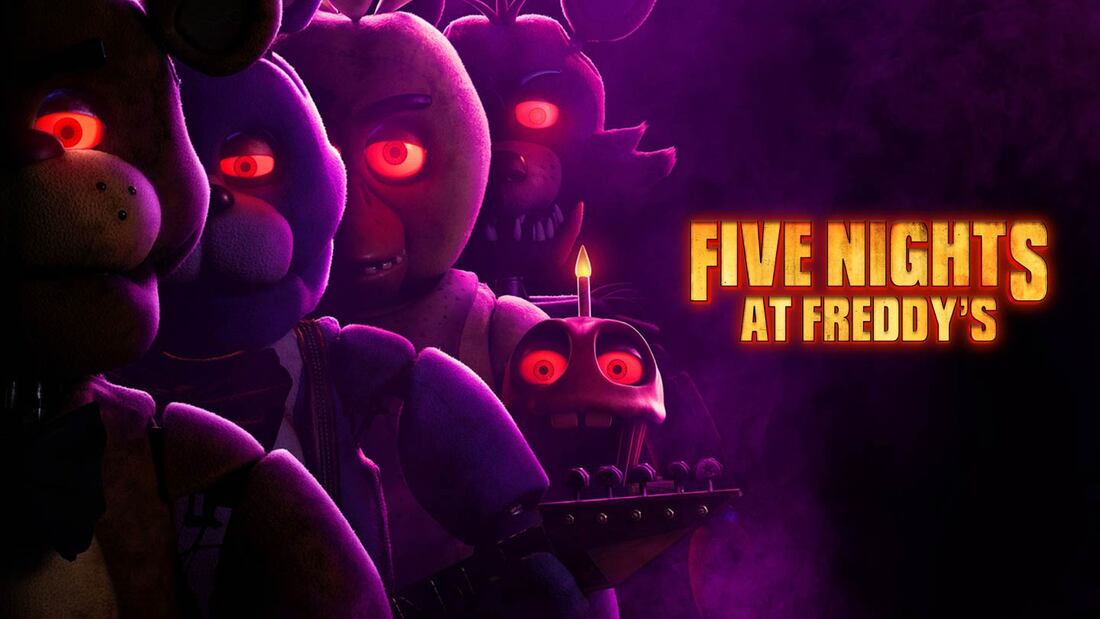
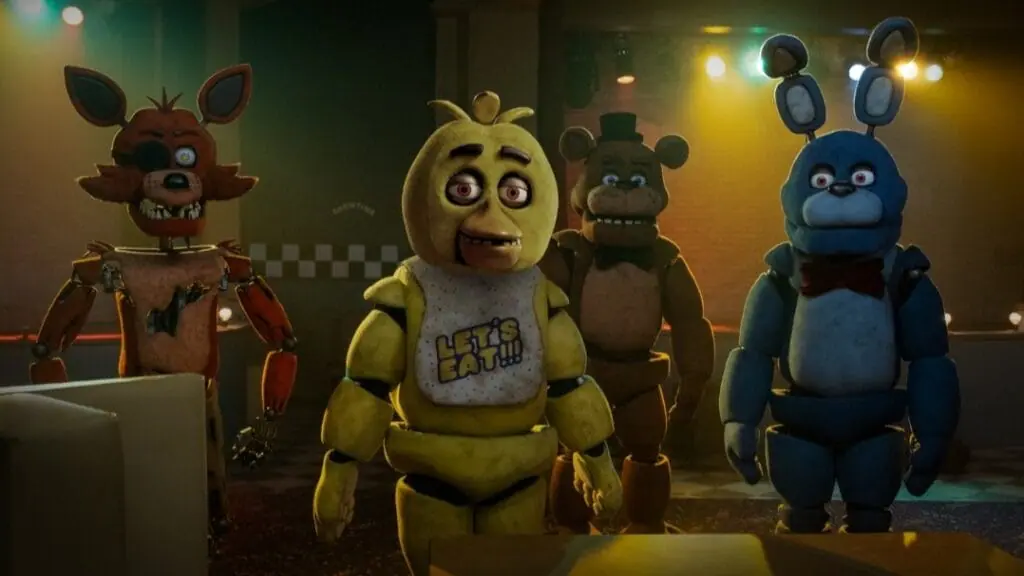
    The film employs a very impressive use of practical effects, choosing not to rely on CGI for their animatronics. In fact, the animatronic models used in the film were built by Jim Henson’s Creature Shop (though I do not expect that we will see Freddy Fazbear acting alongside Kermit the Frog any time soon). The animatronics were near identical representations of the ones seen in the game. 
Picture
     Upon its release, the film was immediately polarizing for viewers. Many critics claimed that the plot of the film was lacking, and that it would inevitably get lost in the sea of horror movies just like it. Other, more die hard FNAF fans loved the film for its endless easter eggs and nostalgia factor. In the case of creative liberties taken by the film, there was a mixed response even from the biggest of fans. Most notably, the scene in which the animatronics built a fort with Mike, Abby, and the police officer, Vanessa (played by Elizabeth Lail). Many viewers felt that this portrayal of the innocence of the children who possess the animatronics strayed too far from the horror aspect of the film. Another, more positively received change came from the scene when Vanessa reveals that she is the daughter of William Afton, (played by Matthew Lillard) the evil mastermind behind the children’s disappearance including Mike’s brother. Though this twist may have seen obvious to those unfamiliar with the original story of the video games, those who knew the original story well, and expected the movie to follow that story, never saw it coming.

    The film also received criticism for its rating. The film is rated PG-13 for strong violent content, bloody images, and language. However, many fans have expressed that an R rating would have suited the film better. This has been a constant debate since the PG-13 rating of the film was announced. Many critics and viewers stated that the greater freedom and comes with an R rating would have allowed the movie to be more violent and scary. Other critics believe that the PG-13 rating is better for the mostly  young audience of the film, and stays true to the video games, which have remained tame in the violence over the years. It is also worth mentioning that Scott Cawthon himself is a devout Christian. Before developing the first  FNAF game, Cawthon was known for making faith based games for kids. With this in mind, Cawthon may have chosen to stick to the PG-13 rating out of respect for his Christian faith.

    Despite the  mixed reviews, Five Nights at Freddy’s told a heartfelt story of a young man who would stop at nothing to protect and provide for his sister, as well as find justice for his brother. The film is jam packed with easter eggs, cameos, and jokes to keep the fans of the games entertained, with the occasional scare to satisfy the horror fans. Most of all, Scott Cawthon successfully wrote a love letter to all the kids who grew up being scared by Freddy Fazbear, including myself.
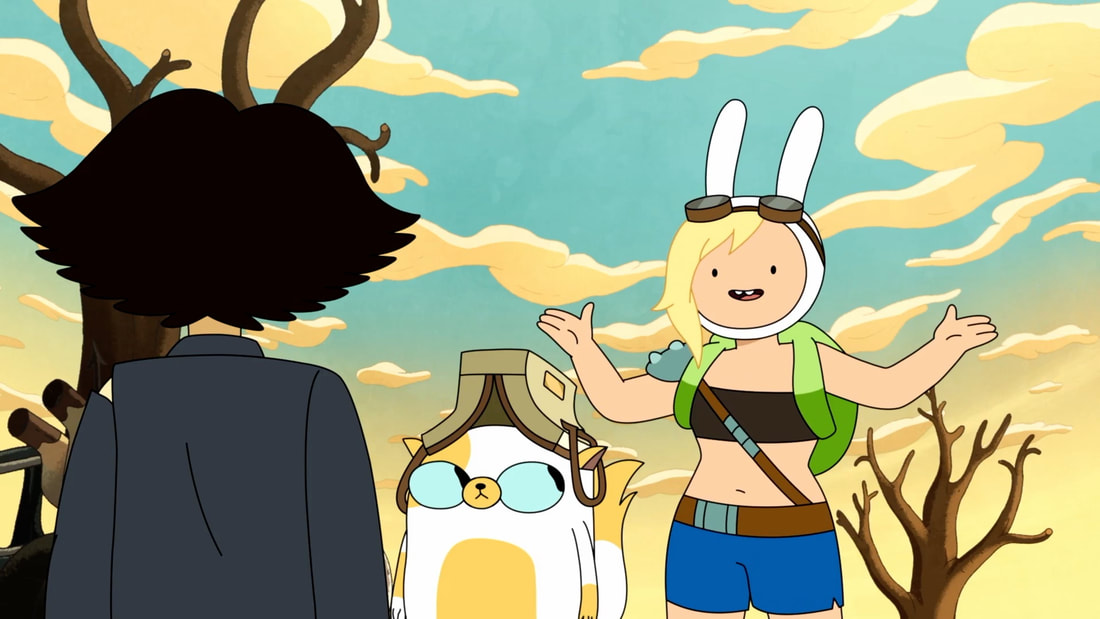
Fionna and Cake: A Show for the Fans

11/20/2023

 
by Jimmy Huston
Picture
   In 2018, the Cartoon Network series Adventure Time ended after ten seasons and over 280 episodes. The series captured the hearts and imaginations of its initial audience of children, teens, and adults. The show's unique sense of humor, memorable characters, and narrative, which became increasingly present and complex as the show continued, all contributed to its appeal. The show had such a strong fanbase that, the “Land of Ooo” and its inhabitants were revisited just two years later, as four one-hour specials, each focusing on a different character, and they were released on HBO Max across 2020 and 2021.  As this series of specials entitled Distant Lands ended, the Adventure Time team announced their next project Adventure Time: Fionna and Cake, and after two years of waiting, the show was finally released in August of 2023.

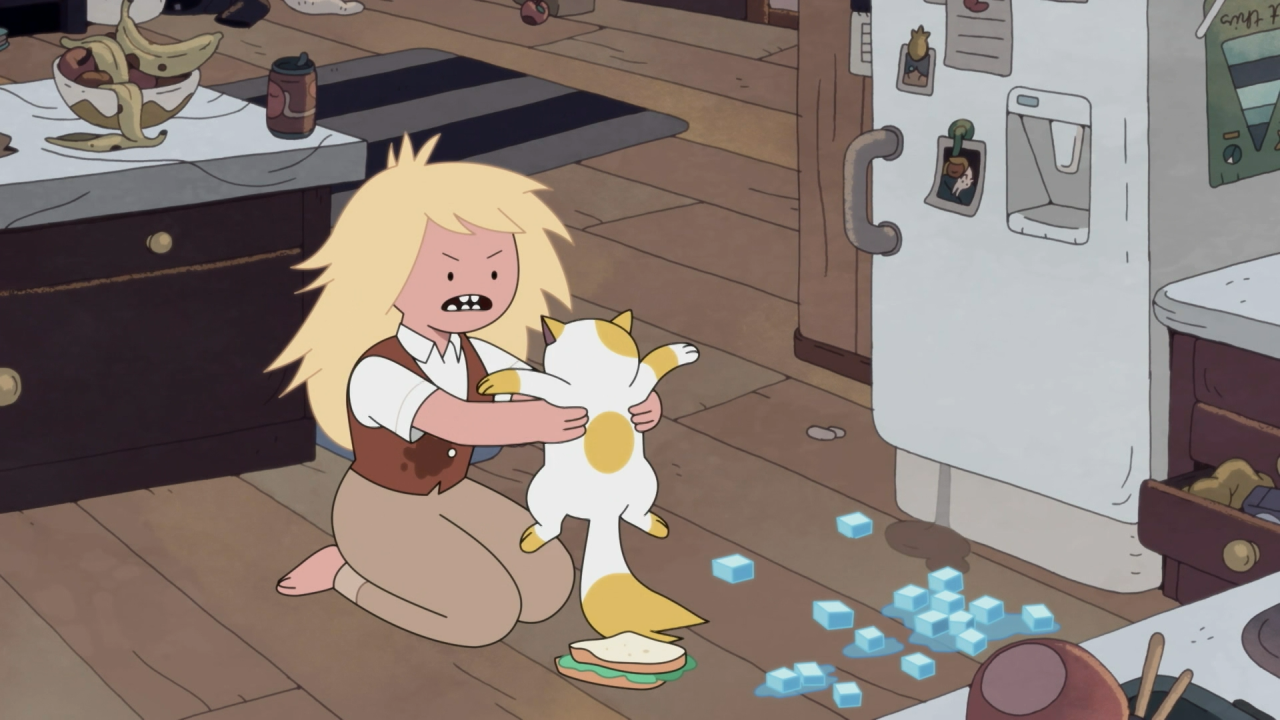
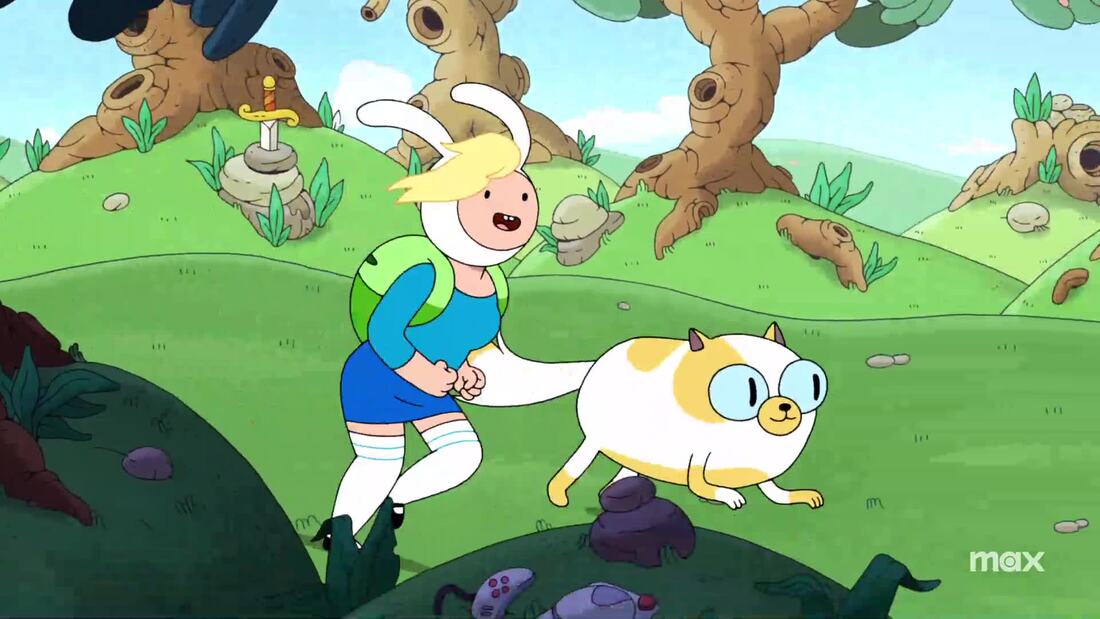
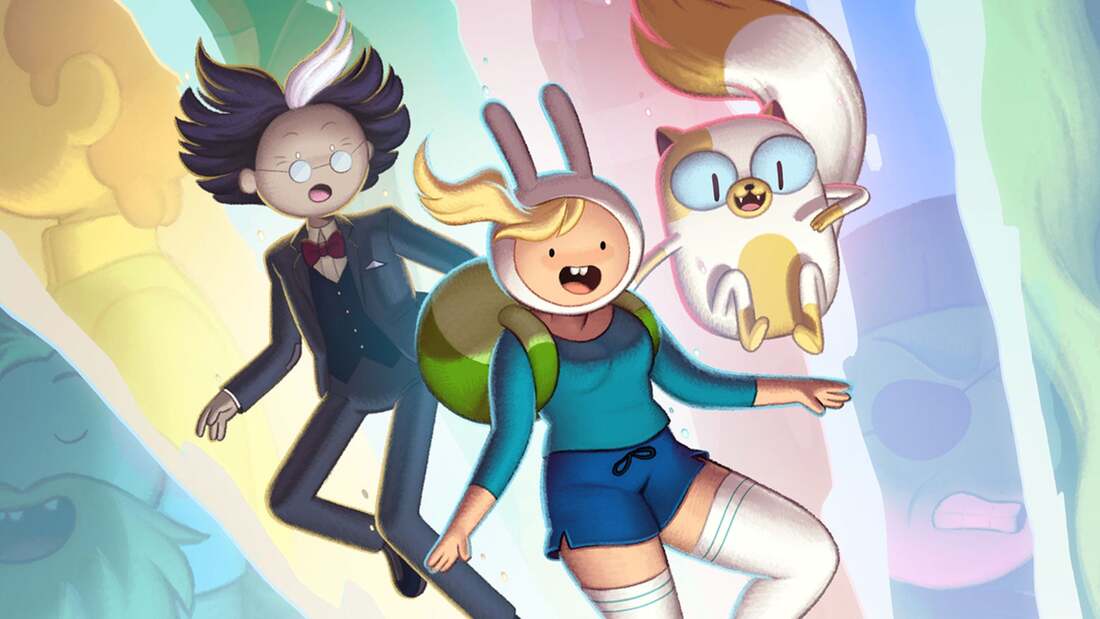
   The series consists of ten episodes, each roughly 27 minutes long, and follows the multiversal adventures of the titular characters Fionna Cambell (Madeleine Martin) and Cake (Roz Ryan).  Both characters first appeared in season 3, episode 9 of the original show. They come from fanfiction created by Ice King in which all of the beloved Adventure Time characters are gender-swapped. Of course, Fionna and Cake are the stand-ins for Finn and Jake. In their new series, which takes place decades after the original show, they adventure across the multiverse to save their world, joined by Simon Petrakov (Tom Kenny) who was once Ice King before being turned back into a human in the finale of Adventure Time.
Picture
   One of the most notable differences between Adventure Time and Fionna and Cake (2022) is that Fionna and Cake is rated TV-14 while the original was rated TV-PG. Not only does this officially qualify it as adult animation, but it gives it a lot more freedom. An Adventure Time project contains blood and curse words for the first time. This made some fans cautious, as many adult animated shows use these elements as a crutch. Fionna and Cake, however, do not fall victim to these norms. They use violence only when necessary, and the cursing is few and far between and only used by the characters it makes sense for.
Picture
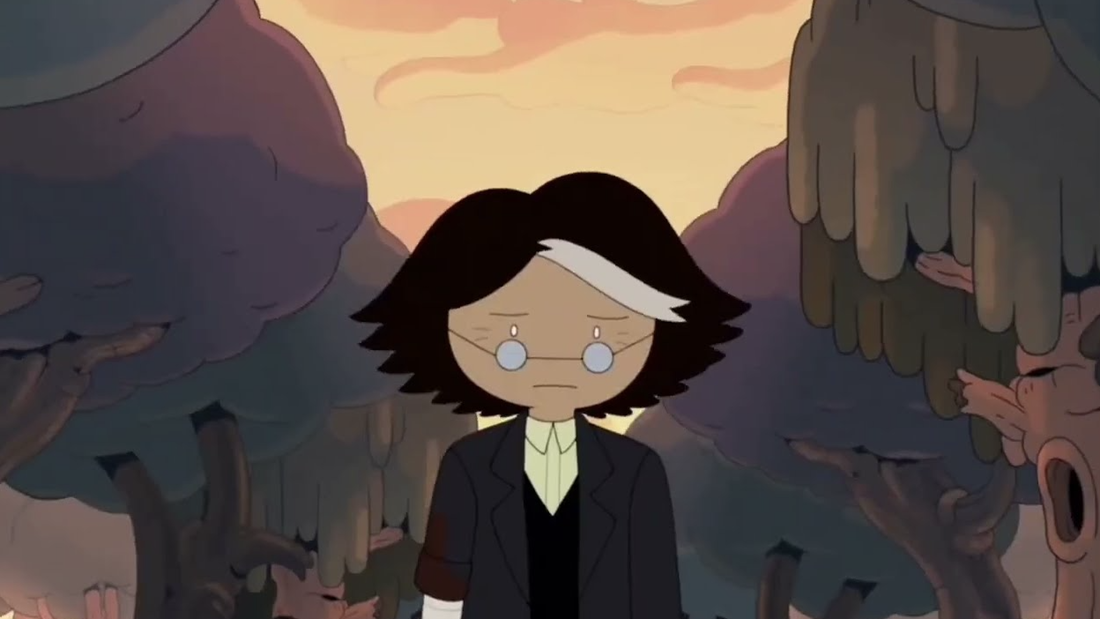
   Speaking of characters, that is this series’ most vital attribute. The character work is nothing short of impressive. The titular characters work extremely well and are large upgrades from their one-dimensional depictions in Adventure Time. Instead of being the female version of Finn as she was initially, Fionna is entirely her own character. She is probably the character audiences can relate to most. Fionna is just a girl doing her best to get through her 9 to 5 while caring for her cat and hanging out with her friends. She also has a lot of depth to her as she is usually adorable and carefree. However, she has a very stubborn side when she feels like something is unjust. She has a “Hero’s heart,” which is probably the biggest similarity between her and Finn. Her best friend and cat, Cake, is also a significant upgrade from her original, one-note portrayal. While not quite as well developed as Fionna, Cake serves as an excellent comic relief and part of some interesting intercharacter conflicts in the middle of the show. By far, the highlight of the series is the character of Simon. Simon is one of the most tragic Adventure Time characters without spoiling. They take his character arc in a unique direction, especially in the second half of the season, and he is responsible for some of the most emotional moments in Adventure Time.  His character alone makes the show worth watching. 
Picture
   Unfortunately, Fionna and Cake’s biggest shortcoming is the pacing, which may result from the fact that the season is only ten episodes. The season starts strong, with the first two episodes being some of the best. However, episodes three and four feel a bit awkward. The show took a little too long to get into the main plot. By episode four, you can tell where it’s headed, so while the episode itself isn’t bad, it feels like you are just waiting to move on. This issue comes back again for the last two episodes of the show. Multiple plots are going on simultaneously in the final few episodes, and it feels like the less impactful, more predictable one gets more focus. The pacing is pretty good throughout the rest of the show, but these few episodes definitely hurt the story's overall flow.

  One potential downside of Fionna and Cake is the low level of accessibility, and I’m not just referring to the fact that it’s a MAX exclusive. The show is made purely for Adventure Time fans. There are many instances throughout the series where a side character who only appeared in a few episodes of Adventure Time or maybe one of the Distant Lands specials, comes into the story and plays a crucial role. They do not explain most of the time and expect the audience to know this world already inside and out. So, when it comes to new fans, this isn’t a show for them. However, playing so heavily into this already existing fanbase who grew up with the original show and are now adults has yielded positive results for the Adventure Time crew. The Adventure Time fandom has had a large revival on social media and is now as passionate about the show as ever. The week-to-week discussions and excitement on social media as episodes aired are proof of this. Hopefully, this energetic response to the series will lead to more new Adventure Time projects in the future.  

Adventure Time: Fionna and Cake is an all-around well-written show that brings an exciting revival to the franchise. It certainly makes up for what it lacks in pacing and certain story elements with memorable and impressively written characters. The show has grown with the audience with its TV-14 rating and more emotional, serious storytelling, making it a must-watch for any Adventure Time fan. However, if you are a little bit less versed in the Land of Ooo and the characters who inhabit it you should do some catching up before giving the show a watch.  
Picture

A Haunting Review, from Venice

11/13/2023

 
by Megan Sechrist
Picture
*This review contains spoilers*

     Kenneth Branagh’s newest Agatha Christie adaptation, A Haunting In Venice (2023), is an adaptation loosely based on Christie’s book, Hallowe’en Party. Agatha Christie is considered one of the greatest mystery writers of all time, but this adaptation seemed to have missed the mark. 
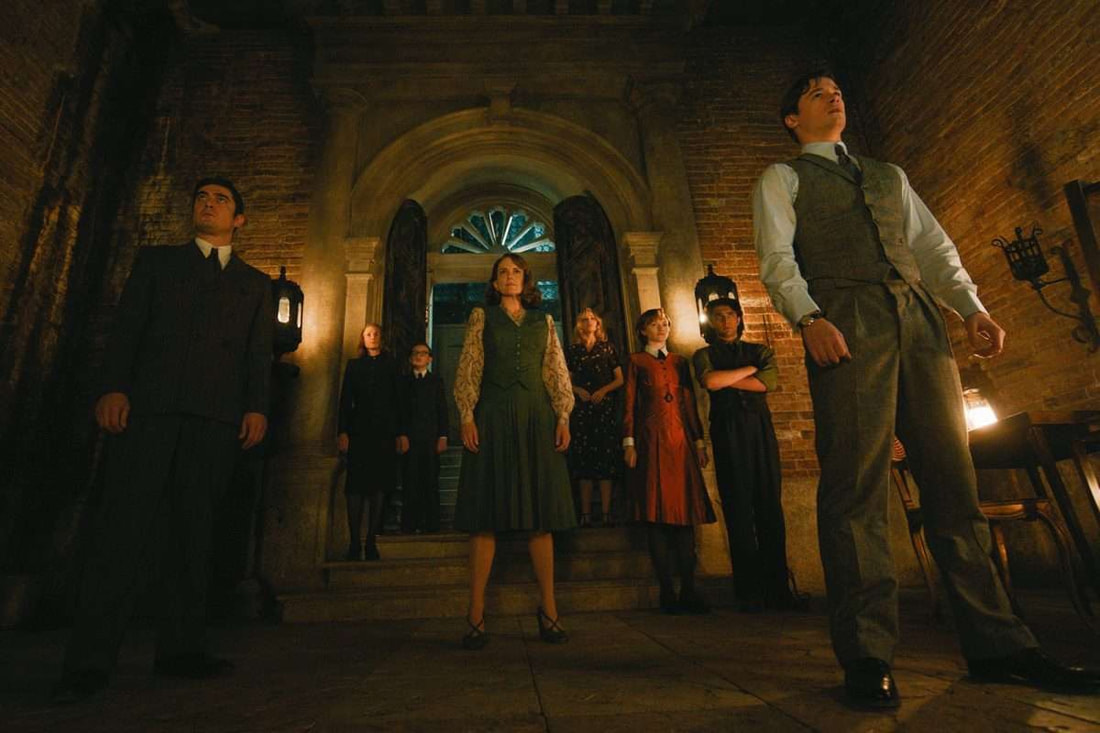
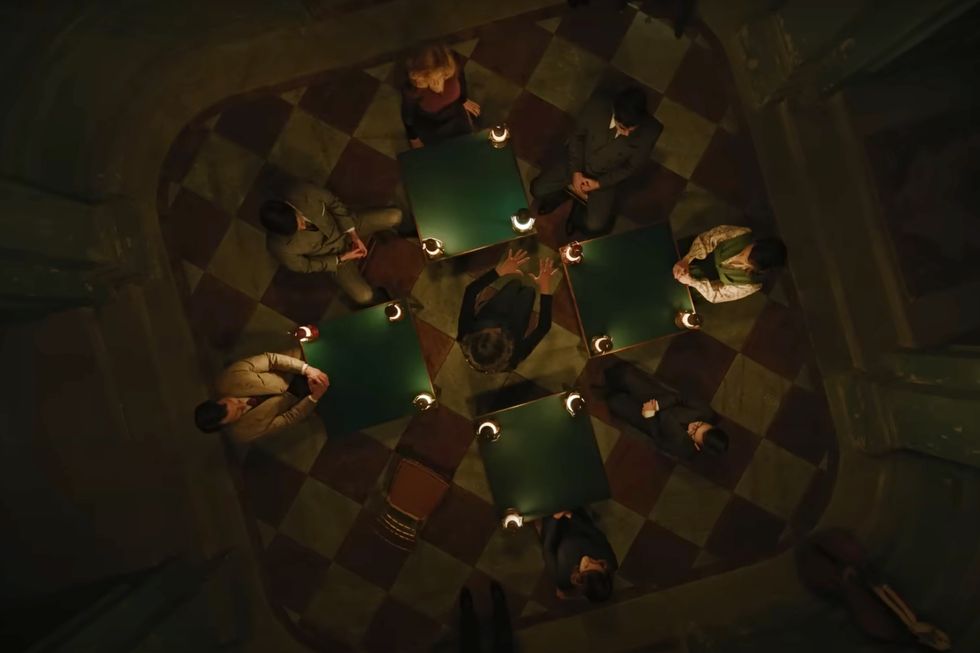
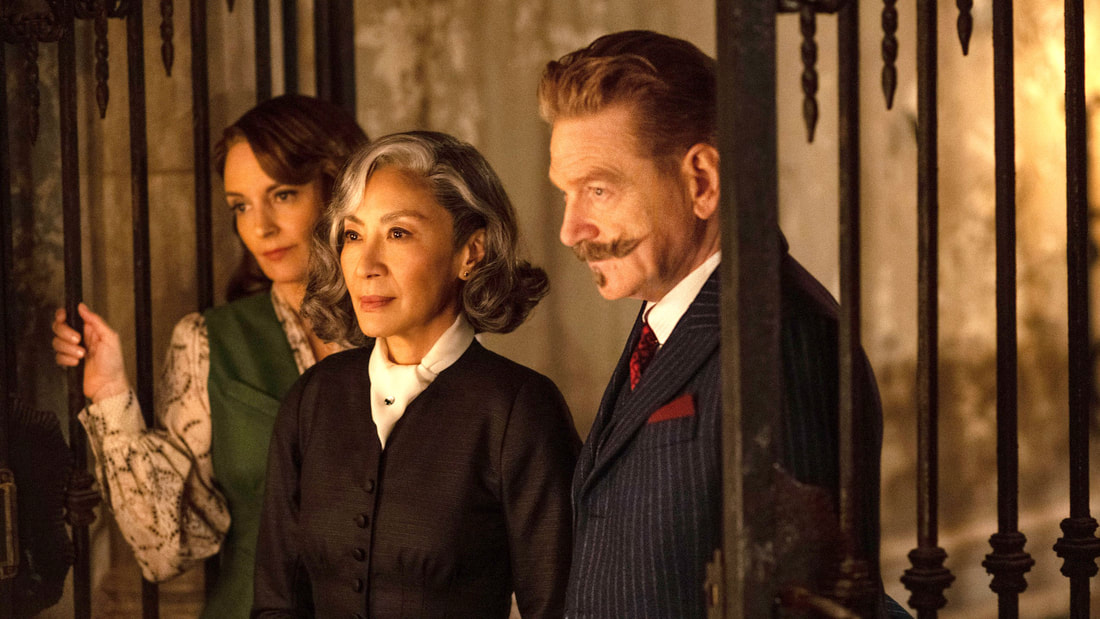
The film follows Hercule Poirot (Kenneth Branagh), a detective who is in self-isolation in Venice. He is visited by an old friend, Ariadne Oliver (Tina Fey), who convinces Poirot to attend a Halloween party with her while she collects information for her newest novel. Upon arrival at the party, the guests immediately feel something off about the house where the party is being held. The host of the party, Rowena Drake (Kelly Reilly) addresses the feeling by telling a ghost story about a group of children who were murdered in the house. She explains that the feeling shared by all the guests at the party must be the spirits of the dead children. However, gathering to tell ghost stories was not the main goal of this party. Rowena had other plans by inviting Joyce Reynolds (Michelle Yeoh) to perform a seance to talk to Drake’s daughter, Alicia, who she claims died by suicide.
​
Picture
     During the seance, it is revealed by Alicia’s spirit that she was murdered by one of the people in the room. This is where Poirot begins his investigation. Poirot and Ariadne begin a sort of “Sherlock and Watson” style of interrogation with each attendee of the scene to get to the bottom of who killed Alicia Drake. This is where the film takes a turn into the classic “whodunit” mystery we all know and love. It is Rian Johnson’s Knives Out (2019) if it occurred in a Spirit Halloween. Throughout the investigation, Joyce and Dr. Leslie Ferrier (Jamie Dornan) are both found dead, an attempt is made on Poirot’s life while he is bobbing for apples, and the pair finally figure out what happened to Alicia Drake. About 40 minutes into the movie, I questioned who the murderer was because I thought I had it figured out, but I was concerned because it seemed like the obvious answer. Turns out, the apparent answer I had predicted was correct. 
​

     Through thorough interrogations, Poirot and Ariadne discover that it was none other than Rowena Drake, who killed her daughter slowly by putting poisoned honey in her tea. It was yet another foreseeable Hollywood murder by an overprotective mother who was jealous of her daughter’s boyfriend. It was also revealed that Rowena was being blackmailed by someone who knew the truth about the murder of her daughter. The young son of the late Dr. Ferrier, Leopold (Jude Hill), saw his father’s medical records on Alicia and started putting the pieces together: She had not jumped off her balcony; rather, she was pushed. I appreciated the addition of the Leopold/Rowena blackmail because it was an actual, Agatha Christie level plot-twist. After being exposed for the murder of her daughter, Rowena tries to escape up the stairs and onto the balcony which she had pushed Alicia from. It is up to interpretation what happens next. From what we, the audience, see, Rowena is pulled off of the balcony by her daughter’s ghost as a sort of revenge for her murder. But Poirot, the one who witnessed this event, is an unreliable narrator, seeing as he had consumed some of the poisoned honey before the encounter, which may have caused him to hallucinate the event entirely. After solving the case and tying up all the loose ends of the investigation, Poirot returns to his office in Venice and begins to work more as a private detective.
Picture
     Overall, A Haunting In Venice was an enjoyable movie. It was not necessarily groundbreaking, but it is a cute little “mystery” if you overlook certain things. Aside from the constantly flickering lights, this was a visually appealing film, which may have just been a problem with the theater I saw it in, but it felt very Hollywood. From the lighting techniques, camera angles, and A-List celebrities that limited the immersion, I wish Branagh had taken a more serious, darker route with the film. And while I do applaud Branagh’s commitment to the Dutch angle, there were too many of them that started to lose touch. The acting in this film was subpar. These are A-list actors who have proven their abilities time and time again, but a lot of their performances fell very flat in this film. Big names like Tina Fey, Kelly Reilly, Kenneth Branagh, and Kyle Allen didn’t quite reach their full potential, yet I wishMichelle Yeoh were in every scene. This movie was what I expected: a weak plot mixed with subpar acting and Hollywood-esque filmmaking techniques. Although I will admit, I never thought I would leave a movie theater with the overwhelming desire to perform a seance on Halloween with Michelle Yeoh and Tina Fey, but here we are!

Past Lives: A Beautiful Story of Fate

11/7/2023

 
by Matt George
Picture
*This Review Contains Spoilers*

   Adding to the long list of heartbreak movies is Celine Song’s directorial debut Past Lives, made in 2023. Produced by A24, it tells the familiar drama story of defective love but in a new and astounding way. The story takes place over 24 years between South Korea, Canada, and the US, spanning languages, creating a seamless bridge between cultures. It shows love at various stages of maturity and how big and small choices affect life’s trajectory. There are three significant time cuts in this film which conveniently lay out the three main acts. It’s untraditional however, since each act has its own story and heartbreak. Together, they capture the beautiful and bittersweet tale of inyeon, the Korean concept of relational fate that binds us all together. 

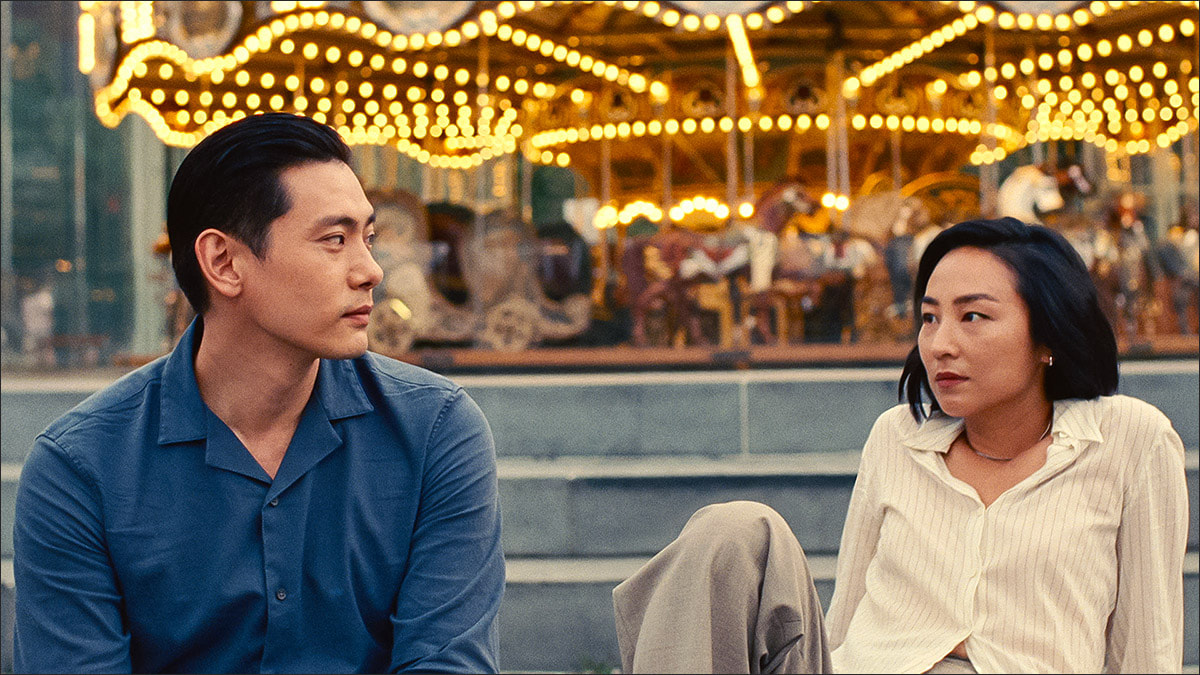
   12-year-old childhood friends Na Young and Hae Sung share many moments together where they grew up in Seoul, South Korea. Every day they would walk together after school until they reached the dividing walkway, where Na Young would walk up the stairs, and Hae Sung would continue on the road. Their friendship grows and a crush quickly appears, and their parents arrange a small date for them at the park. But just as abruptly as their relationship arises, it leaves, as Na Young and her family emigrate to Canada. It is a fast exit, and both of the children are deeply affected by the sudden drastic change in their lives. Na Young picks the American name Nora and becomes quickly fascinated in the new world she calls home. 

   12 years later, Nora is in grad school in New York City, chasing her dreams of being an artist. Hae Sung has just finished his military service. After coincidental searching, they reconnect and develop a habit of calling each other practically every day. This is great for them both, but slowly they drift apart again as their futures don’t coincide. Eventually they stop talking and go their separate ways to advance their futures. 

   After another 12 years, Nora married Jewish-American writer Arthur, living and working in New York. Hae Sung is no longer with his girlfriend and leaves Korea for a vacation to visit Nora. The last time they saw each other in person was 24 years ago in their hometown which makes this moment surreal for both of them. Hae Sung’s visit causes tension in Nora and Arthur’s relationship, as Arthur wonders if he is Nora’s true love. 

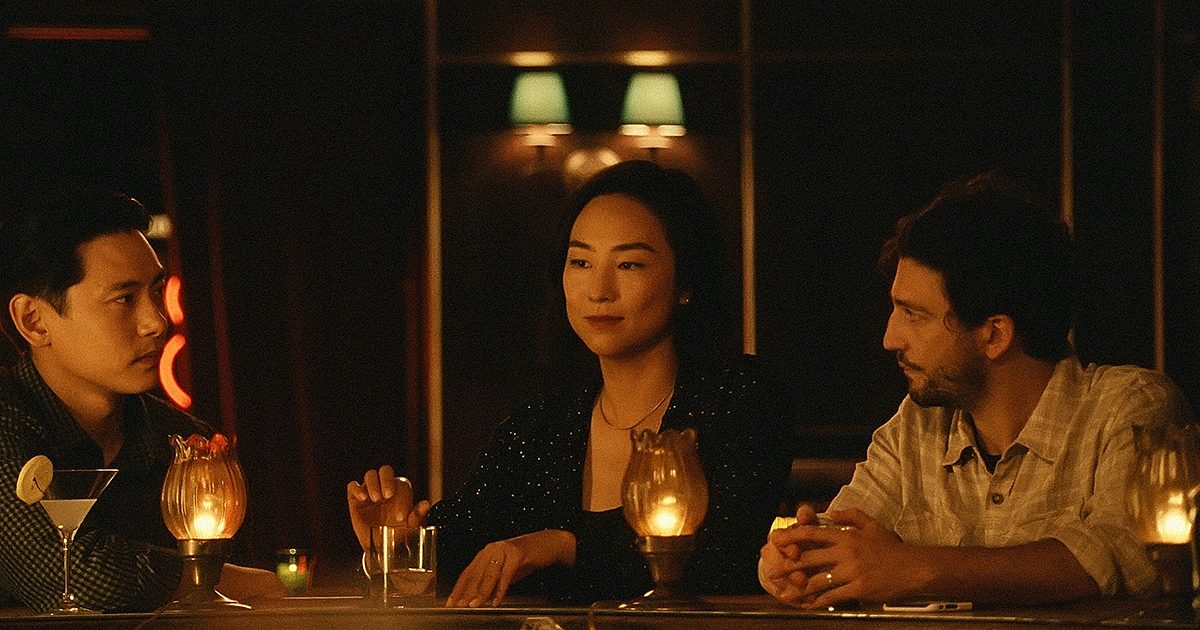
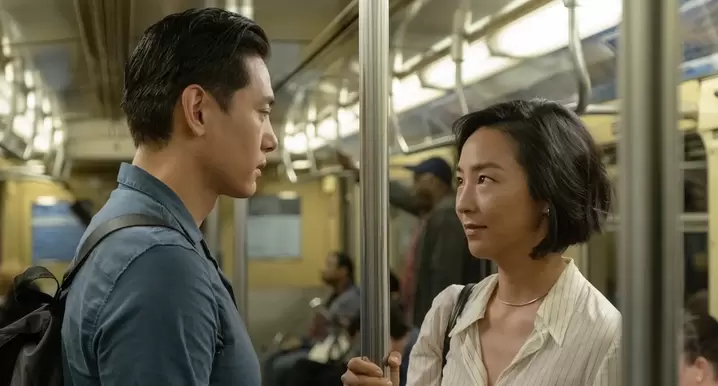
   Nora and Hae Sung are unsure of what they are to each other, and they spend a day together in the city. Hae Sung is invited back to Nora’s apartment to meet Arthur, and they all decide to get dinner and drinks. This brings us to the moment in the film that acknowledges its situation, where Nora and Hae Sung talk in Korean about everything that has happened as Arthur sits in silence. This scene is heartbreaking since their maturity breaks Nora and Hae Sung’s love for each other, but they talk for a long time while Arthur can’t understand them. As the audience, you feel bad for everyone in this scene.    
Picture
   The film ends with Nora walking Hae Sung to his Uber, and they make eye contact for a very long time. As the car arrives, Hae Sung says that they are experiencing a past life, recalling inyeon, the way people have connected in past lives. Nora agrees and ponders if they will finally find love in a future life. Hae Sung leaves, and Nora walks back home, embracing Arthur and crying in his arms. 

   This film brilliantly explores love and the line of fate it rides on. The concept of inyeon runs throughout this whole film and causes us to think about whether there is some divine influence on the fate of Nora and Hae Sung’s meetings. Their lives are so intimately intertwined while only intersecting at three moments. It asks all the questions of circumstance: What if Nora’s family didn’t immigrate? What if they persevered and kept talking in grad school? What if Nora left and went with Hae Sung back to Korea? These questions are un answered, but such is life, looking for answers we won’t find. The time difference of 24 years could also represent hours, as days loop around just like how lives loop around in the Korean view. 

   The performances in this film are also incredible, with the leading actress, Greta Lee, capturing Nora amazingly and heartbreakingly. Teo Yoo’s depiction of Hae Sung is just as good, creating a convincing character struggling with affection. John Magaro’s portrayal of Arthur asks what the audience is thinking, whether Nora and Hae Sung are meant to be and whether their marriage is a strong enough bond to stay together. All the characters in this film feel like real people, and the audience is never taken out of the experience.
Picture
   This film is clearly a passion project reflecting Celine Song’s own life. Her life reflects Nora’s. She was born in South Korea and moved to Canada, she went to grad school and eventually moved to New York with her Jewish-American writer husband and found herself in a bar with a Korean childhood friend and her husband talking about their youth. This inspired her to make this film, but it asks whether Song had a similar internal conflict. 

   Celine Song has created an excellent addition to the film library, which sticks with the audience for weeks after viewing. This film has clear inspirations from projects like Lost in Translation, Before Sunrise, and In The Mood For Love, but it establishes itself as unique among the array of love and heartbreak films. The cinematography by Shabier Kirchner is some of the best work as it captures the film in its nostalgic and beautiful light. Overall, this film explores what is meant to be and how love and human interaction binds us all together.

Aftersun: Why Can’t We Just Stay Here?

11/2/2023

 
by Eli Alderfer
Picture
*This Review Contains Spoilers*

   Aftersun is Charlotte Wells’ 2022 directorial debut starring Frankie Corio and Paul Mescal, leading to Mescal’s Oscar nomination for best actor. Produced by A24, Aftersun is a soberingly dramatic work of visual poetry. Charlotte Wells showcases clear direction and intention within the subtlety of the story. To fully understand the power and beauty of this film, I was compelled to watch it twice despite its heart-shattering poignancy. Aftersun will make you fall in love with cinema, and holds inspiration in filmmaking, forming what I consider to be one of the greatest films of the 21st century.

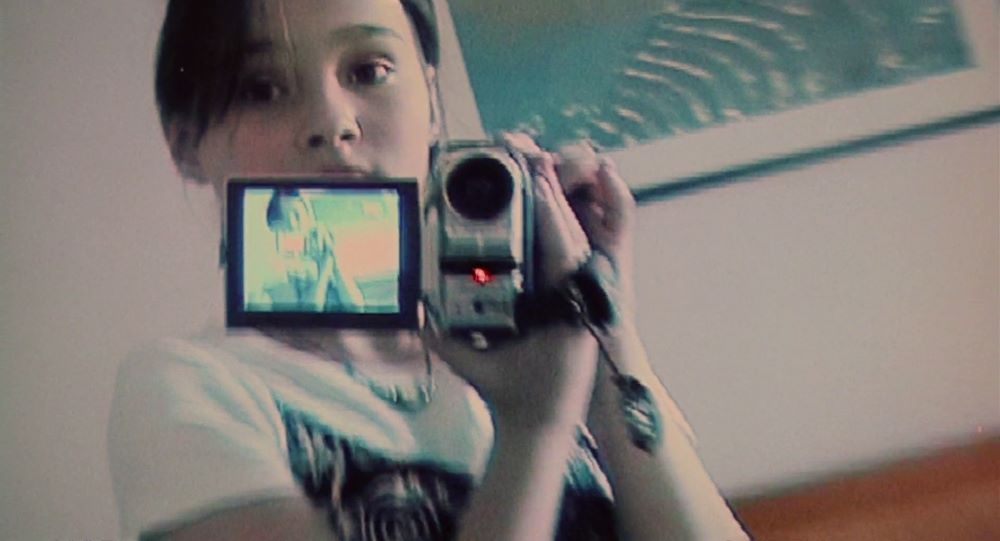
    Set in the early 1990s, the story follows Callum (Paul Mescal) and Sophie (Frankie Corio) as a father-daughter duo on vacation at a beach resort in Turkey. Sophie spends her days at the resort filming memories on her camcorder, presenting parts of the story through POV footage. Aftersun sets us up for a coming-of-age story about Sophie, but instead a deep narrative about Callum and his battle with depression is unveiled. At the film’s start, we meet Sophie and Callum, who appear content with a solid and loving relationship. As the film progresses, Callum’s depression becomes overwhelming, and we see the effects of that. We see Sophie begin to understand, even at a young age, that her father is struggling. Although the film is subdued and very little happens throughout the story, the slow-burn dramatic style is captivating and filled with so much depth and emotion that it outclasses most modern films. 

    The presentation of perspective throughout Aftersun is the most critical component of the film. On the surface, we see a linear story about a father and daughter, but if we look deeper, we find a more significant interpretation of how the characters are viewed. The film follows a structure of three perspectives: Sophie’s memory, Sophie’s imagination, and the recorded video via the camcorder. The film follows these three perspectives, telling an emotionally captivating story through various formats and imagery. Based on how this narrative is revealed, the character’s engagements depend on the perspective. Scenes shown through the camcorder are authentic, preserved events that replay to fill the gaps of memories lost to time and history. Moments in which Callum and Sophie are together are retold according to Sophie’s imperfect memory, and scenes featuring Callum alone are purely fabricated from Sophie’s imagination, based on what she assumes may have happened when she was not with him. With this untraditional storytelling style, we can better understand Sophie’s perception of her vacation and relationship with her father.
​
Picture
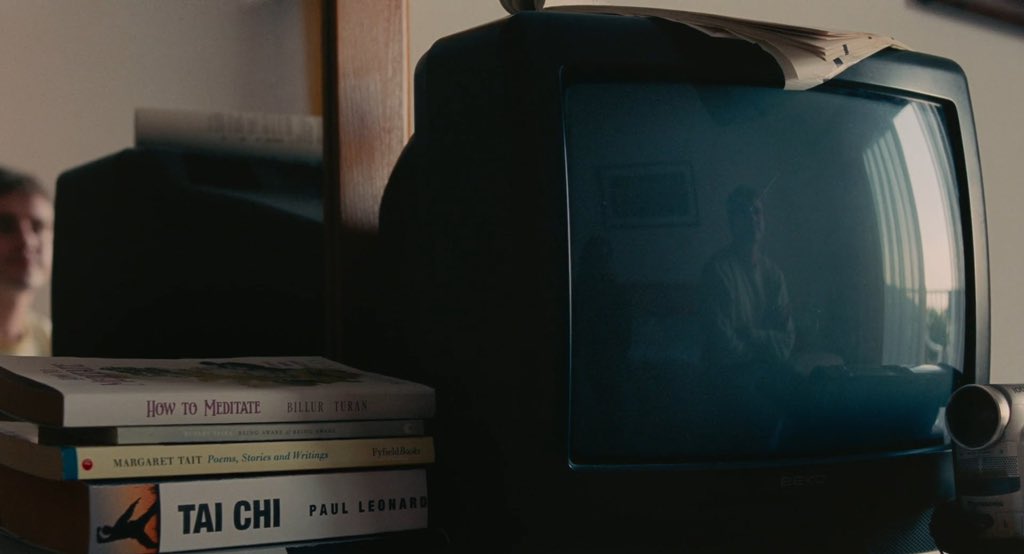
   On the surface, Aftersun is a beautifully shot and masterful drama with minimal excitement: no big explosions, no plot twists, no CGI battles. Simply put, Aftersun is a one-of-a-kind, honest film, a trait complex to come by in modern cinema. To fully understand the film’s brilliance, every detail must be acknowledged. At first, the meaning of the film may be hidden or confusing, but deep down the film represents the manifestation of anxiety, depression, and grief. Paul Mescal’s somber and brutal performance captures the piercing mental pain that Callum endures. As the film progresses, we see the unbearable sense of regret overtake Callum, leading to the beginning of a broken relationship between him and Sophie. Since the separation between him and his wife, Callum begins to believe that he cannot provide the care that Sophie deserves. Callum’s doubts and addictions fuel his depression, eventually breaking him down until he feels as though he is nothing. Callum tries to cope by practicing Tai Chi and spending time with Sophie but his mental health declines rapidly. Callum’s misery is presented when he denies Sophie’s wish to sing karaoke with her, becoming verbally aggressive with her. Sophie understands that her father is troubled with hopelessness and realizes that these may be her last moments with him.

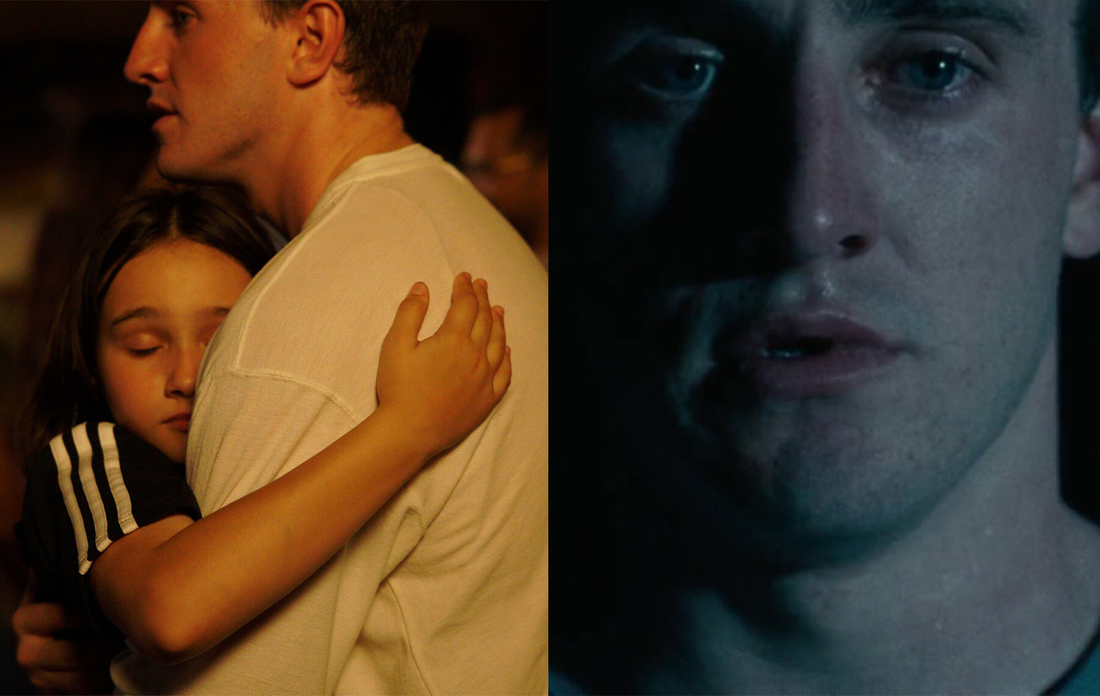
   At the film’s climactic finale, Sophie and Callum share one last dance, as clearly defined by Queen’s “Under Pressure,” which is dramatically remixed for this scene. The song pairs with imagery of Sophie holding onto Callum so painfully tight, pulling on the heartstrings of every viewer. As the song slowly repeats, “This is our last dance…” we realize that this is likely the last time Sophie will ever see her father. The scene cuts between the emotionally slowed dancing and a visual interpretation of loss. The scene flashes in and out just enough to glimpse what it alludes to. With each flash, we see adult Sophie silently screaming and she tries to hold onto Callum, who is falling into the darkness, both literally and metaphorically. The slow pace of young Sophie dancing in soft, warm light contrasts the dark and cold-colored harshness of the representation of the mental void. Sophie’s distraught emotion warns us that she too is falling close to the void. After her vacation with Callum, she began to develop anxiety and depression due to the effect Callum had on her.
Picture
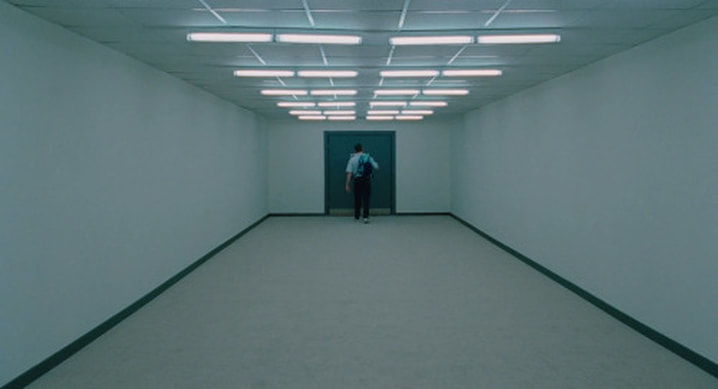
   As the memories of her father begin to fade away with the music, Sophie remembers her last looks with Callum. At the end of their vacation, they wave goodbye at the airport, sharing one last smile. Sophie’s smiling wave is frozen in time as the last frame captured on the camcorder, seen only again by her adult self, reliving the past. The camera transitions from the camcorder footage, to Sophie watching it, to Callum walking away, all in one seamless arc shot. The very final shot quietly shows Callum closing the camcorder and turning away, walking towards a set of double doors. Beyond these doors is the pitch black void, with only the occasional bright light. This final scene is an obvious representation of Callum headed into the darkness of his mind, leading him to self-destruction and presumably the end of his life.
Picture
   The cinematography of Aftersun is innovative, creating stunning scenery and visuals. Aftersun focuses on reflections, which can be seen through the cinematography and the film’s themes. Cinematographer Gregory Oke heightens the story’s meanings through metaphorical values via the compositional use of mirrors, glass, and water reflections. The characters are often visibly interacting with one another, shown through the reflection of an object, such as a TV, which helps to give space between the audience and the characters, showing that Callum is distanced from everyone else. Alongside the reflective compositions, minimalist shots are also incorporated to symbolize the idea that Callum feels insignificant compared to everything else. Every shot and transition in the film is intentionally used to capture how Callum and Sophie feel throughout the story.
Picture
   Aftersun does a phenomenal job of speaking on mental health, specifically men’s mental health. The movie pulls on the audience’s souls, making us care deeply for both Sophie and Callum. The film makes us aware of the pain and struggle that goes along with mental health and how it affects others, especially families. Charlotte Wells did a remarkable job writing and directing this breathtaking film, and the casting of both Paul Mescal and Frankie Corio was perfect. Both actors treated the film like a natural conversation, creating a genuine film. Aftersun is so much more than just a movie. It is an exhibit of love, grief, and bittersweet heartbreak. Wells’ directorial debut will leave you speechless and full of emotions you never knew you could feel, wondering “Why can’t we just stay here?” 
Picture

    Archives

    October 2024
    April 2024
    February 2024
    January 2024
    December 2023
    November 2023
    October 2023
    April 2023
    March 2023
    February 2023
    April 2022
    March 2022
    February 2022
    January 2022
    December 2021
    November 2021
    October 2021
    September 2021
    April 2021
    March 2021
    February 2021
    January 2021
    December 2020
    November 2020
    October 2020
    September 2020
    May 2020
    April 2020
    March 2020
    February 2020
    January 2020
    December 2019
    November 2019
    October 2019
    September 2019
    May 2019
    April 2019
    March 2019
    December 2018
    November 2018
    May 2018
    April 2018
    March 2018
    February 2018
    December 2017
    November 2017
    October 2017
    September 2017
    May 2017
    April 2017
    March 2017
    February 2017
    January 2017
    December 2016
    November 2016
    October 2016
    September 2016
    May 2016
    April 2016
    March 2016
    February 2016
    December 2015
    November 2015
    October 2015
    September 2015
    April 2015
    March 2015
    February 2015
    December 2014
    November 2014
    October 2014
    May 2014
    April 2014
    March 2014
    February 2014
    January 2014
    July 2013
    April 2013
    March 2013
    February 2013
    December 2012
    November 2012
    October 2012
    September 2012
    June 2012
    May 2012

Powered by Create your own unique website with customizable templates.